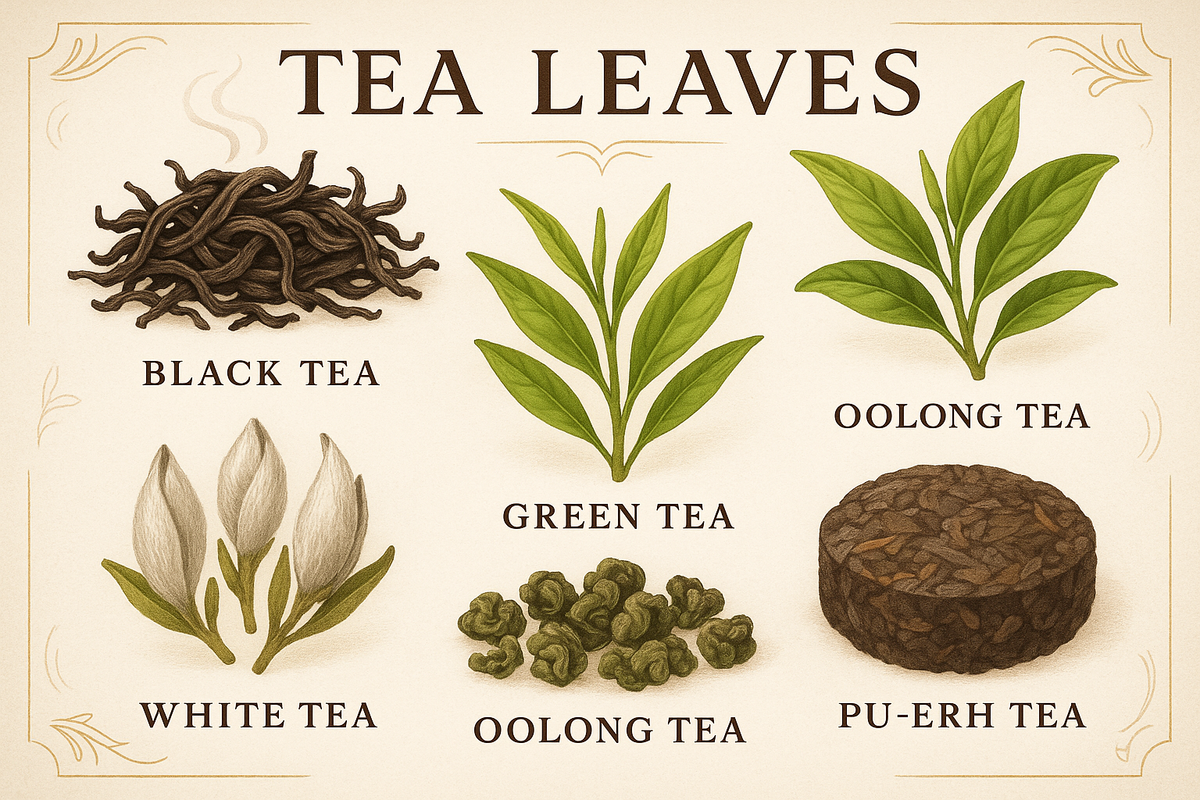
How Tea Became a Part of Our Culture
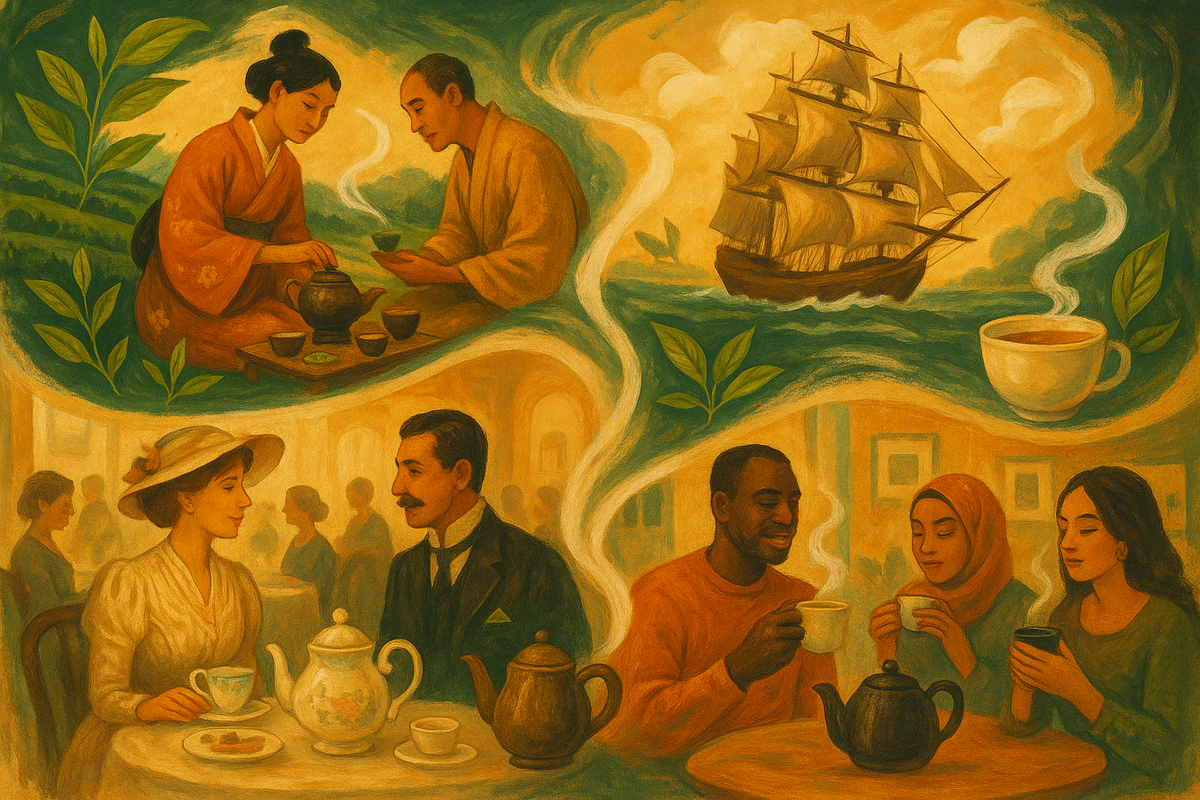
Tea, a beverage enjoyed by millions around the world, has a rich history that dates back thousands of years. But how did this humble drink become such an integral part of various cultures? Let's explore the fascinating journey of tea and its impact on society.
Early Origins of Tea
Tea was first discovered in ancient China, where it was used for medicinal purposes. Legend has it that Emperor Shen Nong accidentally discovered tea when tea leaves blew into his pot of boiling water. From there, the popularity of tea spread throughout China and eventually reached other parts of Asia.
Tea in Japanese Culture
In Japan, tea took on a whole new meaning with the development of the Japanese tea ceremony, known as chanoyu. This ritualistic practice emphasizes harmony, respect, purity, and tranquility. The ceremony has become a cornerstone of Japanese culture, influencing art, architecture, and social interactions.
The British Tea Culture
Tea made its way to the West through trade routes, particularly during the British colonization of India. The British developed a strong tea-drinking culture, with afternoon tea becoming a beloved tradition. Tea became a symbol of refinement and social status, with elaborate tea sets and rituals accompanying the drinking of this beverage.
Tea in Modern Society
Today, tea continues to play a significant role in various cultures around the world. In countries like India, Turkey, and Morocco, tea is a staple beverage enjoyed throughout the day. In the United States, the popularity of specialty teas and tea shops has been on the rise, reflecting a growing interest in different tea varieties and flavors.
Tea has also evolved beyond just a beverage, with tea ceremonies, tea tastings, and tea pairings becoming popular social activities. The health benefits of tea, such as antioxidants and calming effects, have further contributed to its widespread appeal.
The Future of Tea
As our understanding of tea and its benefits continues to grow, it's likely that tea will remain a cherished part of our culture for years to come. With new tea trends emerging, such as matcha and bubble tea, the world of tea is constantly evolving and adapting to modern tastes and preferences.
Whether you prefer a traditional cup of Earl Grey or a trendy boba tea, one thing is clear: tea has woven itself into the fabric of our society, connecting people across different cultures and traditions.